Achieve a more open, defined eye shape while preserving the features that make you uniquely you. Asian eyelid surgery in Manhattan can create or refine an upper eyelid crease, address excess skin or under-eye puffiness, and improve eyelid shape. Dr. Ramesh brings specialized training in Asian eyelid anatomy to create natural-looking results tailored to your individual goals.
What is Asian eyelid surgery?
Asian eyelid surgery is a specialized procedure that aims to enhance or refine the eyelids while respecting the unique anatomy and aesthetic characteristics of Asian eyes. Asian eyelid surgery in Manhattan may involve creating an upper eyelid crease, removing excess skin, repositioning fat, or addressing under-eye puffiness. Because eyelid anatomy varies considerably from person to person, Dr. Ramesh tailors the technique to your natural features and the changes you want.
What are the benefits of Asian eyelid surgery?
The following are the primary benefits of Asian eyelid surgery:
- A more defined or visible upper eyelid crease
- A more open and alert appearance to the eyes
- Reduced excess skin and heaviness of the upper eyelids
- Reduced under-eye puffiness caused by prominent fat pads
- Improved eyelid shape and symmetry
- Results tailored to your unique Asian eyelid anatomy
- Natural-looking enhancement that preserves your individual features
- Incisions carefully placed to minimize visible scarring
- Long-lasting refinement of the eyelid contours

Why choose Dr. Deepak Ramesh?
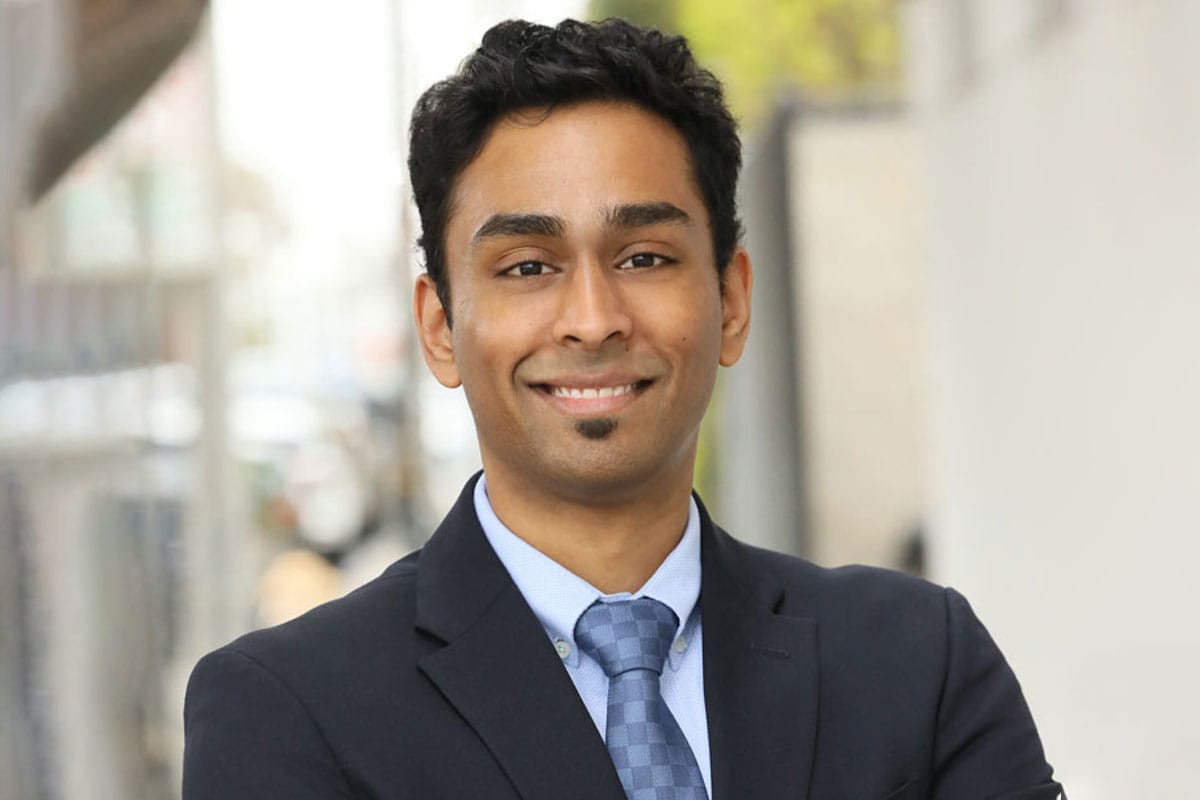
Dr. Sathyadeepak Ramesh is a board-certified oculofacial plastic surgeon and member of ASOPRS. After completing a two-year oculofacial, orbital, cosmetic, and reconstructive surgery fellowship at UCLA’s Jules Stein Eye Institute, he pursued specialized training in Asian eyelid surgery at the BK Cosmetic Hospital and Samsung Medical Center in Seoul, South Korea.
Dr. Ramesh understands that Asian eyelid anatomy and goals require a highly individualized approach. Rather than applying Western eyelid techniques, he carefully considers your natural crease, eyelid fullness, skin, fat, and facial proportions. His conservative approach helps avoid overcorrection and create refined results that preserve your unique features and identity.







How is Asian eyelid surgery performed?
Asian eyelid surgery is highly individualized because your natural crease, skin thickness, fat distribution, and the relationship between the deeper eyelid tissues and skin can all influence the technique. Dr. Ramesh evaluates your anatomy and goals before determining how much skin, fat, or muscle to remove or reposition, and whether to create or refine the eyelid crease.
Upper Asian eyelid lift
An upper Asian eyelid lift may be performed to create or better define an upper eyelid crease, remove excess skin, or accomplish both. When tissue removal is necessary, Dr. Ramesh places an incision within the eyelid crease and conservatively removes or repositions the appropriate skin and fat. Preserving sufficient tissue helps avoid an unnaturally hollow or sunken look.
If your goal is to create a crease, Dr. Ramesh may use either a suture or an open technique. With the non-incisional approach, he turns the eyelid and places sutures that create the desired fold without an external incision. This can provide a natural-looking crease and a relatively faster recovery, although the fold may be less durable in patients with thicker eyelid tissue.
With the open technique, Dr. Ramesh makes a carefully placed incision in the upper eyelid and creates the crease by securing the skin to the levator muscle, which opens the eyelid. This allows a crease to form naturally as you open your eyes. The technique must be performed precisely to protect normal eyelid function and avoid complications such as ptosis.
Lower Asian eyelid lift
A lower Asian eyelid lift primarily addresses prominent fat pads and puffiness beneath your eyes. Dr. Ramesh can access the lower eyelid through an incision placed inside the lid, allowing him to remove or reposition excess fat without creating an external incision. When necessary, he may also address excess skin to preserve the natural shape and support of your eyelid.
Rather than removing all visible fullness, Dr. Ramesh considers how the fat, skin, eyelid support, and the surrounding contours work together. Fat may be repositioned to smooth the transition between your lower eyelid and cheek, and additional techniques may be used when skin laxity or eyelid support also needs attention. This anatomy-based approach helps create smoother contours without making your eyes appear overcorrected or surgically altered.
Schedule your Asian eyelid surgery in Manhattan
Asian eyelid surgery requires an understanding of your unique eyelid anatomy and your aesthetic goals. Dr. Deepak Ramesh completed specialized training in Asian eyelid and facial contouring in Seoul, giving him advanced experience in creating refined, natural-looking results that preserve your unique features. Schedule a consultation with Dr. Ramesh to explore Asian eyelid surgery in Manhattan.