Lift sagging facial tissues, restore youthful contours, and soften visible signs of aging with an endoscopic facelift at the Center for Eye and Facial Plastic Surgery. This minimally invasive surgical technique uses a tiny camera and specialized instruments to rejuvenate your forehead, brows, and midface through discreet incisions. Fellowship-trained oculofacial plastic surgeon Dr. Ramesh uses his surgical expertise and artistic approach to ensure refined results.
Endoscopic Facelift
Lift Deeper Facial Tissues Through Tiny Incisions
An endoscopic facelift is a minimally invasive surgical technique that uses a small camera, called an endoscope, to lift and reposition facial tissues through tiny incisions. The camera provides a magnified view of the underlying structures, allowing the surgeon to make precise adjustments without extensive surgical openings. Commonly used for brow and midface lifting, this approach can address drooping eyebrows, forehead creases, sagging cheeks, and early signs of facial aging while minimizing visible scarring.

What Are the Benefits of an Endoscopic Facelift?
The following are the primary benefits of an endoscopic facelift:
- Smaller incisions strategically concealed within the scalp or hairline
- Minimal visible scarring compared to traditional open facelift techniques
- Enhanced surgical visibility through a magnified camera view
- Precise lifting and repositioning of underlying facial tissues
- Improved brow position and smoother forehead contours
- Elevation of sagging cheeks and restoration of youthful definition
- Less extensive tissue disruption compared to some open surgical approaches
- Potentially reduced postoperative bruising, swelling, and discomfort
- Natural-looking rejuvenation without excessive skin tightening
Endoscopic Facelift vs. Traditional Facelift
Traditional Facelift
A traditional facelift uses incisions around the ears, often extending into the hairline, to access and reposition deeper facial tissues. The surgeon may tighten the underlying SMAS layer and remove excess skin to address pronounced jowls, lower facial sagging, and neck laxity. This offers more extensive correction for patients with moderate-to-advanced facial aging.
Endoscopic Facelift
An endoscopic facelift uses several small incisions hidden within the scalp or hairline, allowing the surgeon to visualize deeper tissues with a miniature camera. Specialized instruments lift and reposition facial structures without requiring long incisions. This is particularly useful for brow and midface rejuvenation, making it suitable for patients with early signs of sagging.
Why choose Dr. Deepak Ramesh?
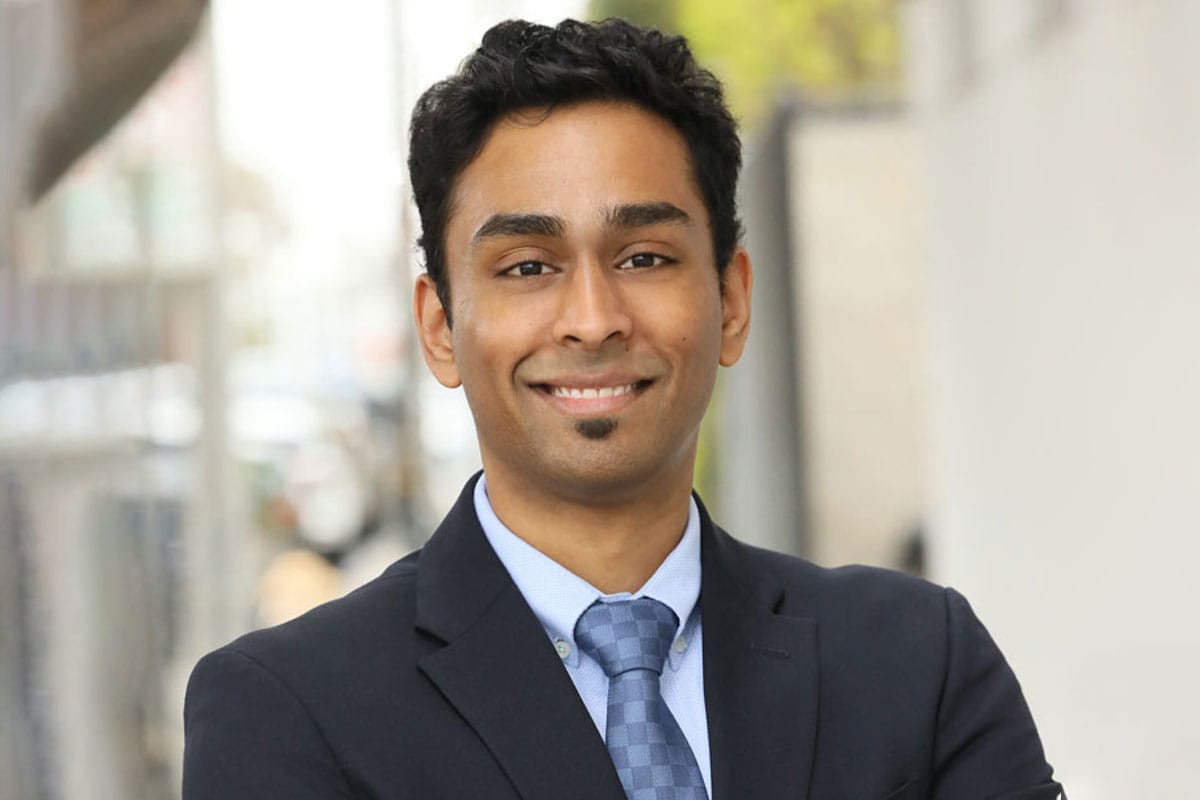
Dr. Deepak Ramesh is a board-certified oculofacial plastic surgeon and Fellow of the American College of Surgeons with advanced training in cosmetic and reconstructive facial surgery. He completed a two-year fellowship at UCLA’s Jules Stein Eye Institute and pursued additional training in facial and neck lift surgery under leading Los Angeles facial plastic surgeons.
His specialized understanding of the delicate structures surrounding the eyes, brows, and midface informs his approach to facial rejuvenation. Dr. Ramesh evaluates your facial anatomy, tissue descent, and aesthetic goals to determine the most appropriate lifting technique. By focusing on precise tissue repositioning rather than excessive tightening, he aims to restore youthful contours while preserving your natural expressions and facial harmony.







How Is an Endoscopic Facelift Performed?
Your endoscopic facelift begins with anesthesia to keep you comfortable. Dr. Ramesh makes several small incisions, typically concealed within your scalp or along the hairline. Through one opening, he inserts an endoscope, a thin instrument with a miniature camera and light. The camera projects magnified images of your facial structures onto a monitor, allowing him to navigate the treatment area with precision. Additional instruments are introduced through separate incisions to release and mobilize the tissues responsible for sagging.
Dr. Ramesh elevates and secures the targeted tissues to improve brow position, lift descended cheeks, or restore midface contours. When treating the forehead, he may address the muscles that contribute to prominent frown lines. Once the tissues are secured, he removes the instruments and closes the incisions with sutures or other appropriate methods.
What Is Recovery Like for an Endoscopic Facelift?
Following your endoscopic facelift, you can expect some swelling, bruising, tenderness, and tightness around the treated areas. Because the procedure uses smaller incisions, recovery may be less extensive than with traditional open surgery.
Many patients resume light activities within 1 to 2 weeks, although healing varies depending on the areas treated. You should keep your head elevated, avoid strenuous exercise, and follow Dr. Ramesh’s postoperative instructions. Temporary numbness or tightness may occur as tissues heal. Your results will become more apparent as swelling subsides over the following months.
Schedule Your Endoscopic Facelift
Restore youthful facial definition with Dr. Deepak Ramesh, a board-certified oculofacial plastic surgeon with advanced training in face and neck lifts. At the Center for Eye and Facial Plastic Surgery, he uses his anatomical knowledge to help you achieve natural-looking rejuvenation. Schedule your endoscopic facelift consultation today.